
Kia is tightening its grip on the Indian auto market with a fresh slate of launches lined up for 2026. From a revamped mid-size SUV to a fully electric hatchback, the brand is pushing hard on both mainstream and EV fronts to keep pace with shifting buyer demand.
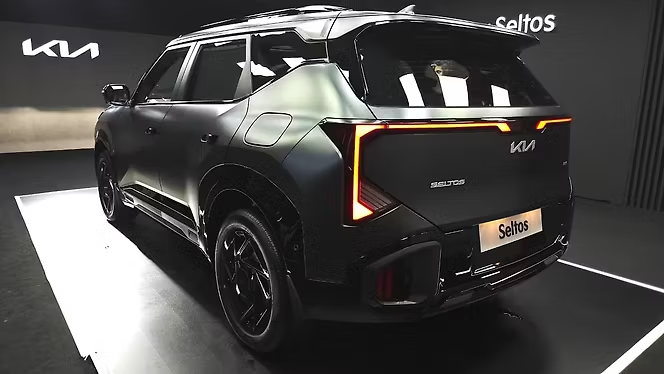
1. All-New Kia Seltos — January 2, 2026
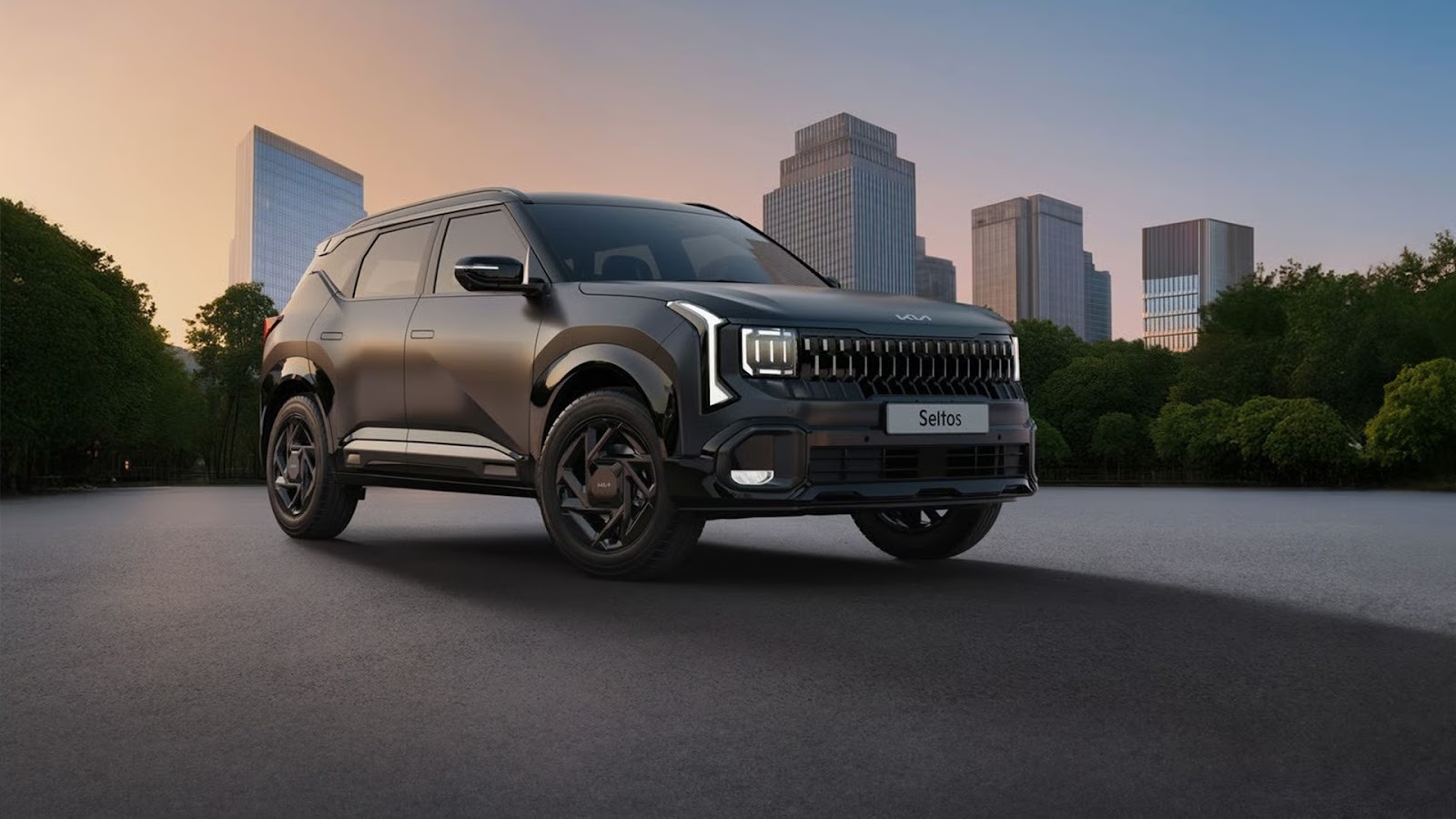
The headline act for Kia’s 2026 product plan is the second-generation Kia Seltos, officially set for launch on January 2, 2026. The updated Seltos has already been unveiled globally and bookings are underway, with the official launch confirmed ahead of deliveries later in January.
Interior & Features
The 2026 update is build on the current Seltos’ tech-heavy cabin, with improvements focused on usability and premium feel. Highlights include a refined dual-screen setup, updated infotainment software, enhanced connected car features, and expanded ADAS functionality. Kia will also improve cabin materials and introduce new trims to keep the interior feeling fresh.
Kia Seltos 2026: Key Rivals in India
The Seltos competes in one of the most competitive segments in the Indian market. Its primary rivals include:
- Hyundai Creta – Strong brand value, comfort-focused, feature-rich
- Maruti Grand Vitara / Toyota Hyryder – Hybrid efficiency and reliability
- Volkswagen Taigun – Strong build quality and driving dynamics
- Skoda Kushaq – Performance-oriented, solid European feel
What’s new:
- Completely redesigned exterior and interior compared with the outgoing model.
- Expected price range between roughly ₹11–20 lakh (ex-showroom).
This next-gen Seltos will take on rivals like the Tata Sierra, Hyundai Creta, Maruti Grand Vitara and others in the compact-SUV segment — a highly competitive slice of the Indian market.
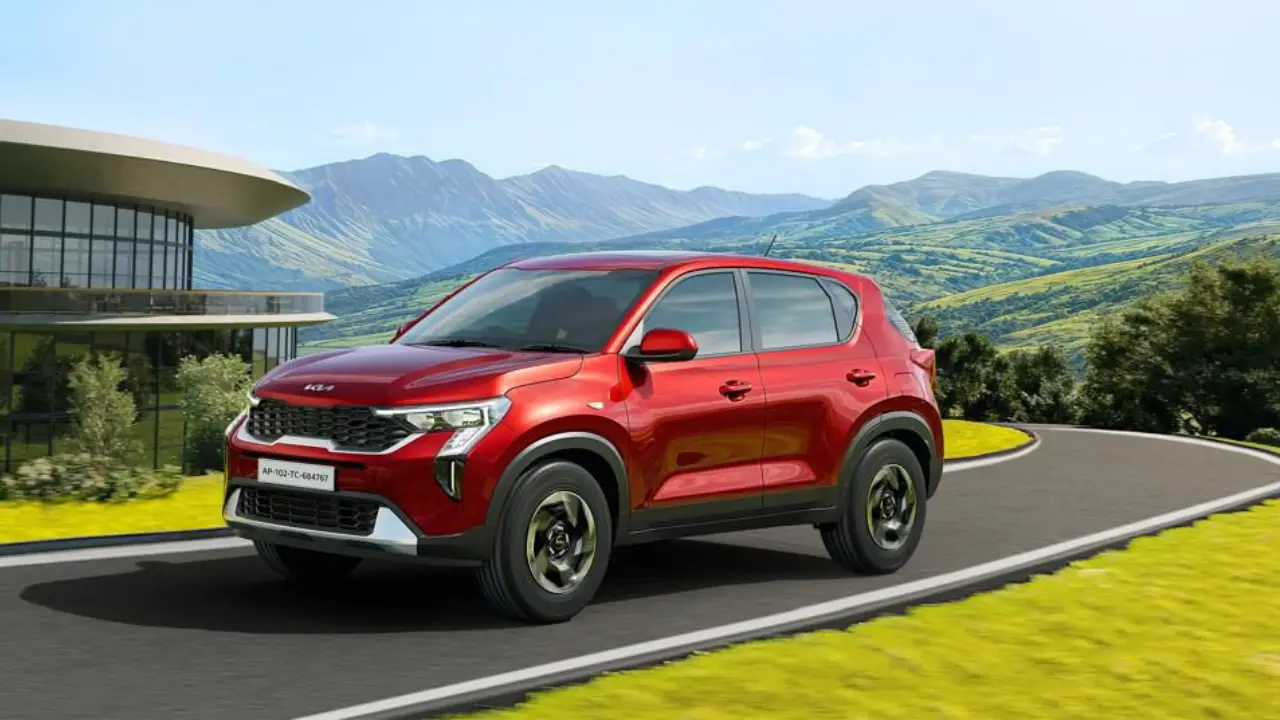
2. Kia Syros EV — Q2 2026
Kia’s push into India’s small EV space kicks off with the Syros EV, targeted for a Q2 2026 introduction. It shares a platform with Hyundai’s new Inster EV and reinforces Kia’s strategy to expand its electric line-up beyond imported offerings.
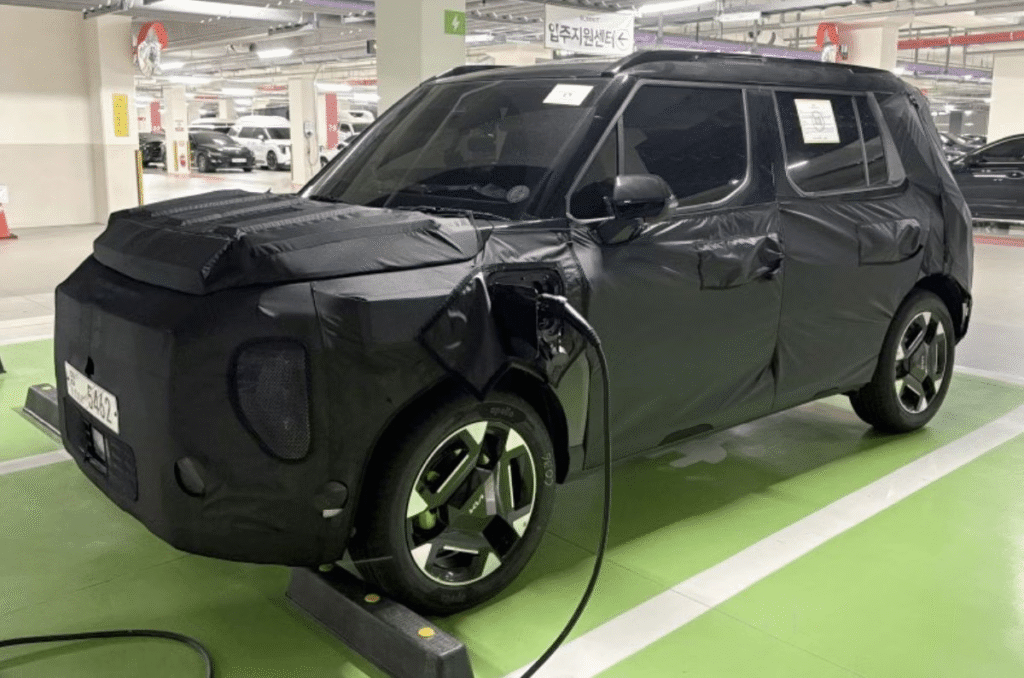
What to expect:
- A compact EV tailored for urban buyers.
- Likely competitive pricing compared with other EV hatchbacks emerging in the same period.
Kia Syros: Key Rivals in India
Tata Nexon EV – The segment benchmark with proven range options, strong safety credentials, and widespread charging support.
Mahindra XUV400 EV – Offers strong performance and SUV presence, appealing to buyers looking for a more powerful EV.
MG ZS EV – More premium and spacious, likely to sit slightly above the Syros EV in pricing.
Hyundai Kona Electric – Known for efficiency and smooth performance, though currently dated.
The upcoming Kia Syros EV is expected to be positioned as an affordable, urban-focused electric SUV. It is likely to feature a 40–45 kWh battery pack, offering a claimed range of around 400–450 km (MIDC). In real-world conditions, this could translate to 300–350 km, making it suitable for daily city use and short highway trips. Fast-charging support is expected, with DC charging enabling quicker top-ups, while performance will focus on smooth, efficient driving rather than outright speed. Overall, the Syros EV is shaping up as a practical entry-level EV, with pricing and real-world range set to be key deciding factors.
This is an important step for Kia, especially as buyers become more comfortable with EV options in the ₹10–15 lakh ballpark.
3. Kia Sorento (Late 2026 /Early 2027)
Beyond the Seltos and Syros EV, Kia India is expected to bring in the Sorento SUV sometime in the back half of 2026 or into early 2027. This three-row SUV will sit above the Seltos in the lineup and could feature hybrid powertrain options.
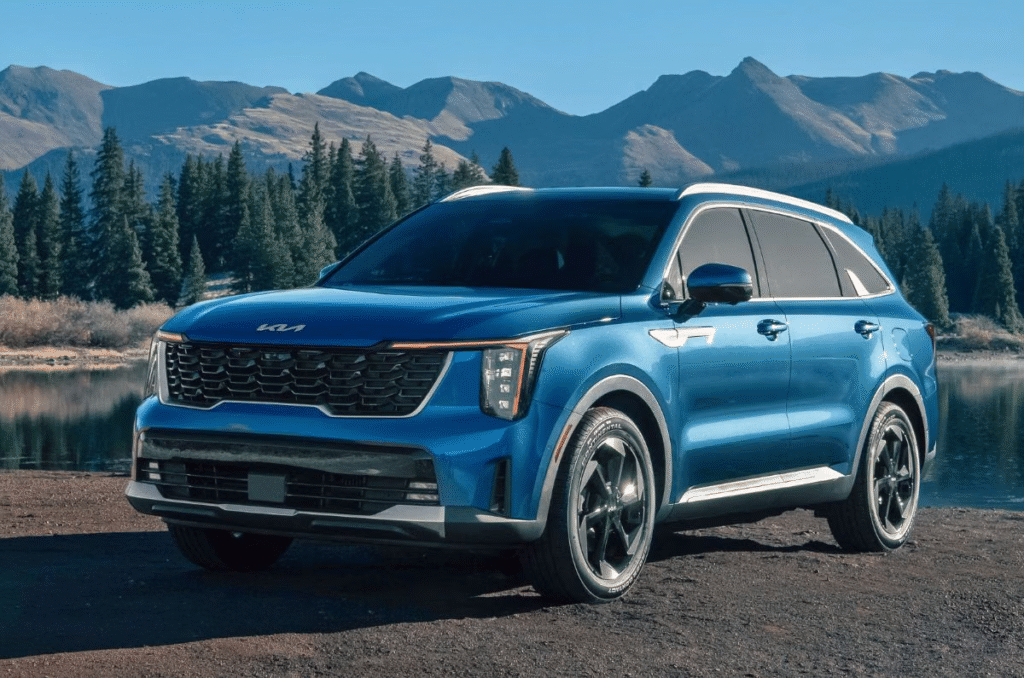
Highlights:
- Larger footprint with 7-seat capability.
- Likely premium tech and comfort features aimed at family buyers.
On the technology front, the Sorento stands out internationally with dual large digital displays, premium upholstery, advanced ADAS features, connected car tech, panoramic sunroof, multi-zone climate control, and a strong emphasis on safety with multiple airbags and electronic aids. These features position it as a more premium alternative to mainstream three-row SUVs.This model could open up Kia’s presence in the D-segment SUV segment, where competition is heating up with new rivals like the Skoda Kodiaq,Toyota Fortuner,MG Gloster.
Engine Options:
- 2.5L petrol engines (naturally aspirated and turbo variants)
- 2.2L diesel engine (popular in several markets)
- Hybrid and plug-in hybrid options, combining petrol engines with electric motors for improved efficiency and lower emissions
If introduced in India, Kia is likely to prioritise petrol and hybrid powertrains, given evolving emission norms and growing demand for electrified options.
What This Means for Buyers
Kia’s launch trajectory in India reflects a broader shift:
- Fresh design language and platforms: The next-gen Seltos brings updated aesthetics and tech to one of Kia’s best-selling models.
- Electric diversification: The Syros EV is Kia’s first step into affordable EVs here.
- Expanded SUV lineup: With the Sorento on the way, Kia is broadening its appeal from compact to three-row SUVs.
For shoppers, this means more choices — from a redesigned compact SUV to an entry-level EV — all within the next 12–18 months.