
Hyundai is preparing a focused set of launches and updates for the Indian market, targeting key segments ranging from compact SUVs to electric vehicles.
The most significant changes are expected inside the cabin, where Hyundai is likely to introduce a thoroughly updated dashboard and tech suite. The Verna facelift is expected to adopt Hyundai’s latest ccNC (Connected Car Navigation Cockpit) infotainment system, similar to the one recently introduced in the 2025 Venue. This system is designed to offer faster performance, a cleaner user interface, and support for over-the-air updates across multiple vehicle controllers.
Interior updates expected with the facelift include:
- Adoption of Hyundai’s ccNC infotainment system with OTA update capability
- A new curved dual-screen layout with two 12.3-inch displays (infotainment and digital driver’s cluster)
- Replacement of the current flat 10.25-inch screens with a more premium integrated housing
- Introduction of a new three-spoke, D-cut steering wheel, similar to the updated Venue and Creta.
Overall, the cabin update is expected to be one of the most noticeable changes in the Verna’s lifecycle.
Exterior Design: Sharper and More Premium
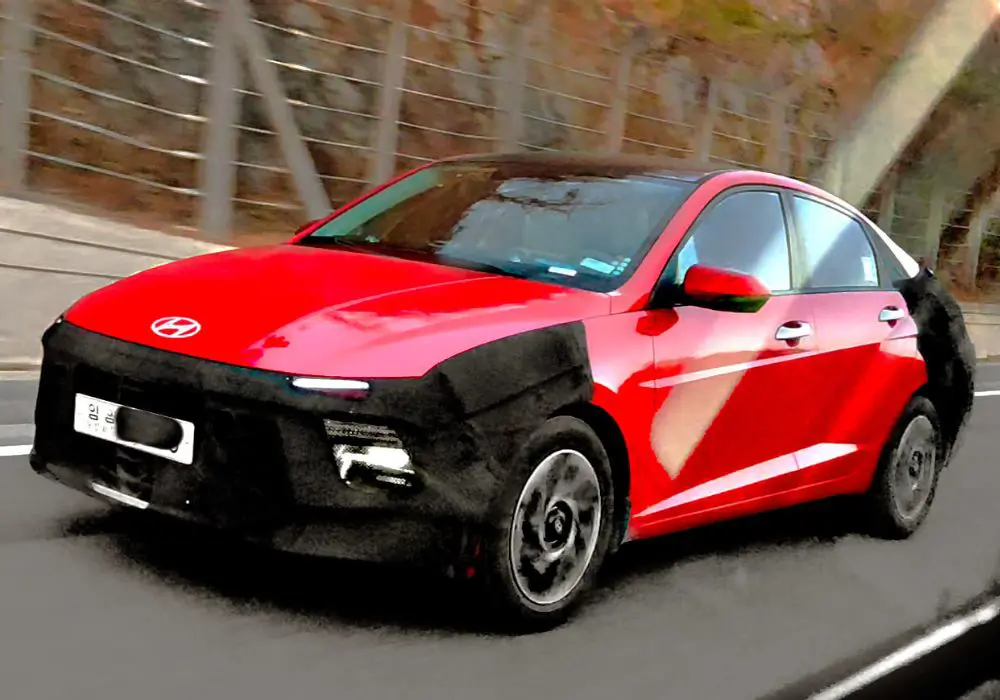
On the outside, the Verna facelift is expected to feature a more upright and assertive front-end design. Test mules suggest a shift towards vertically stacked LED headlamps, moving away from the current horizontal lighting layout. The front bumper and grille are expected to draw inspiration from the global Hyundai Sonata, giving the sedan a more international and premium appearance.
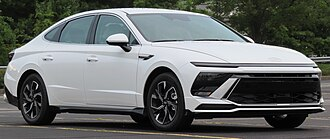
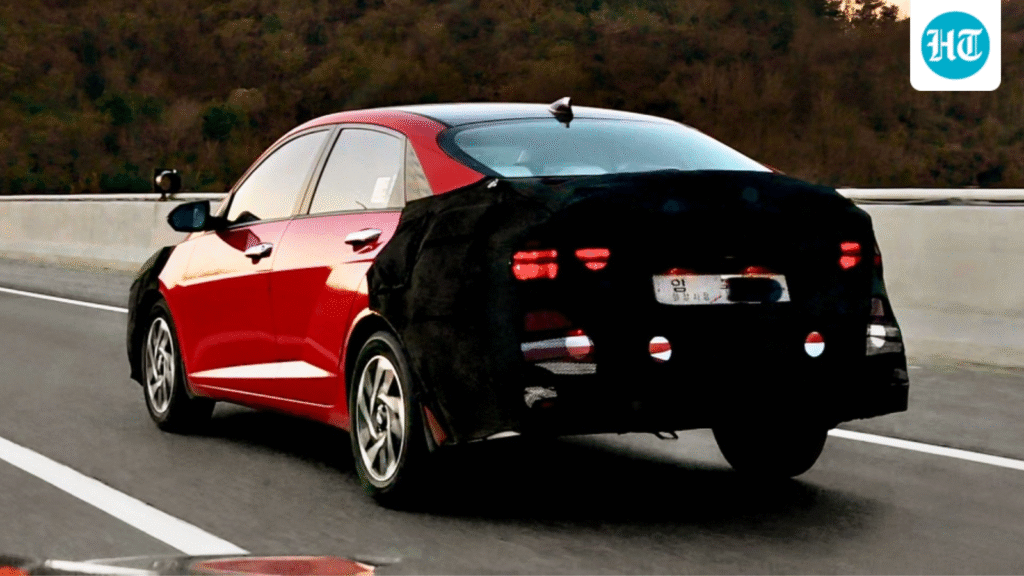
At the rear, updates are expected to be subtle, with minor revisions to the connected LED tail-lamp graphics and a redesigned rear bumper to complete the refreshed look.The Verna facelift is also expected to introduce front parking sensors and a 360-degree camera, further improving ease of use in tight urban conditions. The updated sedan is likely to launch in India in the first quarter of 2026, strengthening its appeal with added tech and convenience features.

Powertrain: Proven Petrol Engines Continue
Mechanically, Hyundai is expected to retain the existing petrol engine lineup for the Verna facelift. The sedan is likely to continue with the familiar 1.5-litre naturally aspirated petrol engine and the more powerful 1.5-litre turbo-petrol unit, paired with the same manual and automatic transmission options currently on offer. No diesel or electric powertrain is expected as part of this update.
Hyundai Exter Facelift
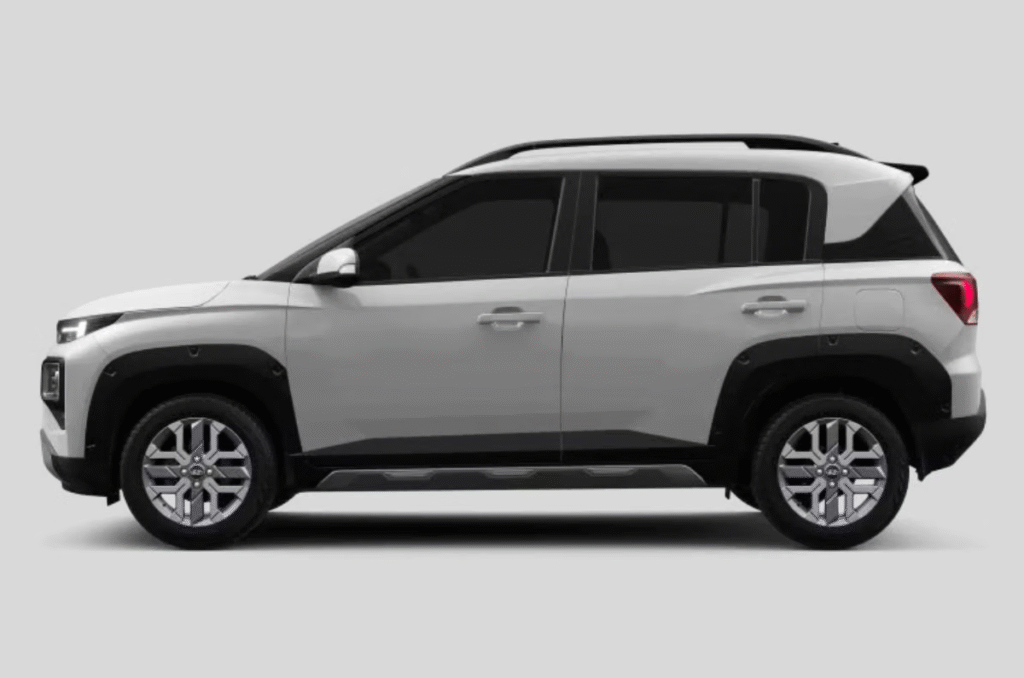
The Hyundai Exter, positioned as Hyundai’s entry-level SUV, is also set to receive a mid-cycle facelift aimed at keeping the model fresh in an increasingly competitive compact SUV and crossover segment. Since its launch, the Exter has found strong acceptance among urban buyers, young professionals, and first-time car owners, thanks to its SUV-inspired styling, feature-rich cabin, and flexible petrol and CNG powertrain options.
With the facelift, Hyundai is expected to focus more on design refinement and feature upgrades rather than a complete transformation. On the outside, the Exter is likely to receive subtle styling updates, including revised bumper detailing, updated lighting elements, and fresh colour options to enhance showroom appeal. New alloy wheel designs are also expected to be introduced, helping differentiate the facelifted model from the current version.
The Hyundai Exter facelift, expected in Q2 2026, is tipped to become the first mass-market Hyundai in India to feature Android Automotive Operating System (AAOS). Unlike Android Auto, AAOS runs natively on the car’s system, bringing built-in Google Maps, Google Assistant, and app support without needing a smartphone connection.
Inside, the Exter facelift is expected to get a distinctive screen layout, with a large 12.9-inch touchscreen infotainment system paired with a 9.9-inch digital instrument cluster, giving the compact SUV a far more premium and tech-forward cabin than before.
Mechanically, no major changes are anticipated. The Exter facelift is expected to continue with the existing petrol and CNG powertrains, prioritising efficiency and affordability—key factors for its target audience.
Overall, the Hyundai Exter facelift will be about staying relevant rather than reinventing itself, ensuring it remains a strong contender in the compact SUV and crossover space against newer rivals.
Hyundai Ioniq 5 Facelift
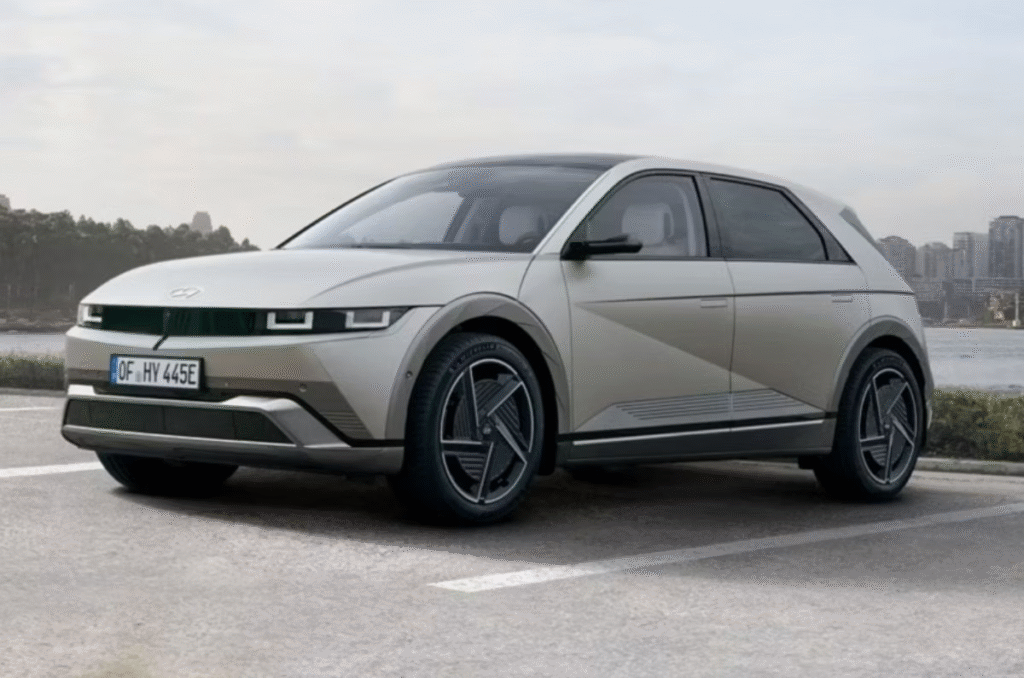
Hyundai’s flagship electric vehicle for India, the Ioniq 5, is set to receive a facelift as part of its global update cycle. This refresh is expected to focus on refining the design, improving cabin quality, and enhancing overall usability rather than making radical changes. Subtle updates to the front and rear styling, along with revised lighting elements and new alloy wheel designs, are likely to give the Ioniq 5 a fresher appearance while maintaining its distinctive, futuristic identity.
In global markets, Hyundai has already introduced a larger 84 kWh battery pack on the updated Ioniq 5, which significantly improves range and long-distance usability. If this version makes its way to India, it would further strengthen the Ioniq 5’s position as a premium EV focused on effortless highway cruising and fast-charging convenience.
Inside the cabin, Hyundai is expected to improve material quality and introduce feature updates aimed at elevating the premium feel. The infotainment system could receive software enhancements for smoother operation, alongside expanded connected car functionality. On the technical side, the facelift may bring improvements in battery efficiency and energy management through software updates, helping deliver better real-world range without altering the core hardware. Hyundai is also expected to continue focusing on the Ioniq 5’s strengths, including its 800V fast-charging capability and long-range performance.
With competition in the premium electric vehicle space growing rapidly, the Ioniq 5 facelift will play a key role in helping Hyundai maintain its strong positioning in India, offering a refined, tech-forward EV experience that continues to stand out in its segment.
Hyundai Bayon
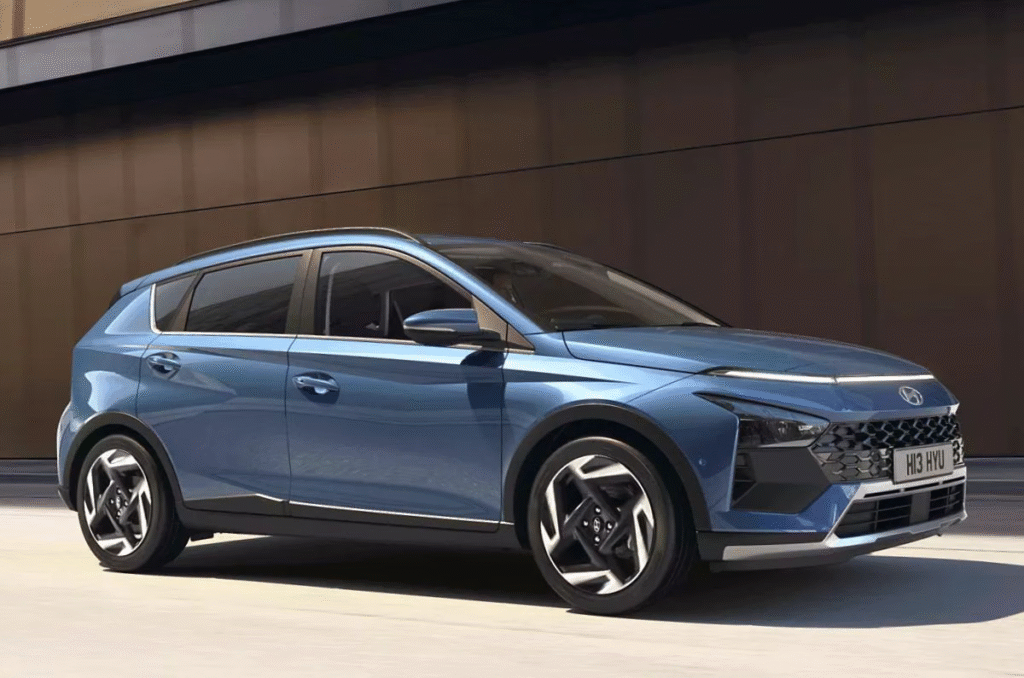
The Hyundai Bayon is a compact crossover SUV currently sold in several international markets, primarily in Europe, and is positioned below the Creta in Hyundai’s global SUV lineup. Built on Hyundai’s small-car platform, the Bayon is designed with a strong urban focus, combining compact dimensions with crossover-inspired styling to appeal to city-centric buyers who want SUV looks without the size or bulk of a full-fledged midsize SUV.
In terms of design, the Bayon carries Hyundai’s modern design language with a distinctive front fascia, split lighting setup, and a coupe-like rear profile, giving it a more lifestyle-oriented character compared to traditional compact SUVs. Its raised stance and cladding offer the visual appeal of an SUV, while its compact footprint makes it easy to drive and park in congested urban environments.
The Hyundai Bayon is confirmed to be a sub-4-metre SUV, positioning it neatly between the Exter and the Venue in Hyundai’s lineup. This would allow Hyundai to offer a more design-focused, premium alternative to the Exter while sitting below the Venue in price and positioning.
Powering the Bayon is expected to be a new 1.2-litre turbo-petrol engine, which is rumoured to focus on improved fuel efficiency and smoother everyday performance. Importantly, this engine is also said to be hybrid-ready, opening the door for mild-hybrid or strong-hybrid tech in the future as emission norms tighten.
Globally, the Bayon is offered with efficient petrol powertrains, including mild-hybrid options in some markets, prioritising fuel efficiency and everyday usability over outright performance. The interior focuses on practicality and technology, typically featuring a digital instrument cluster, touchscreen infotainment system, connected car features, and a reasonable level of comfort and safety equipment for its segment.
Although Hyundai has not officially confirmed the Bayon for India, it remains an important global model that showcases the brand’s approach to compact, city-friendly crossovers. If introduced in the Indian market, the Bayon could logically sit between the Exter and the Creta, offering a more stylish and premium alternative to entry-level SUVs while remaining more compact and affordable than the Creta. Such positioning could appeal to urban buyers looking for a distinctive crossover with modern design and efficient petrol engines, rather than a traditional boxy SUV.
What This Lineup Signals
Hyundai’s upcoming product strategy shows a clear direction:
- Strengthening existing high-volume models through facelifts
- Keeping premium EV offerings fresh and competitive
- Exploring new crossover formats to fill portfolio gaps
Together, the Verna Facelift, Exter Facelift, Ioniq 5 Facelift, and Bayon underline Hyundai’s intent to stay relevant across price points, powertrains, and buyer preferences.