
Introduction
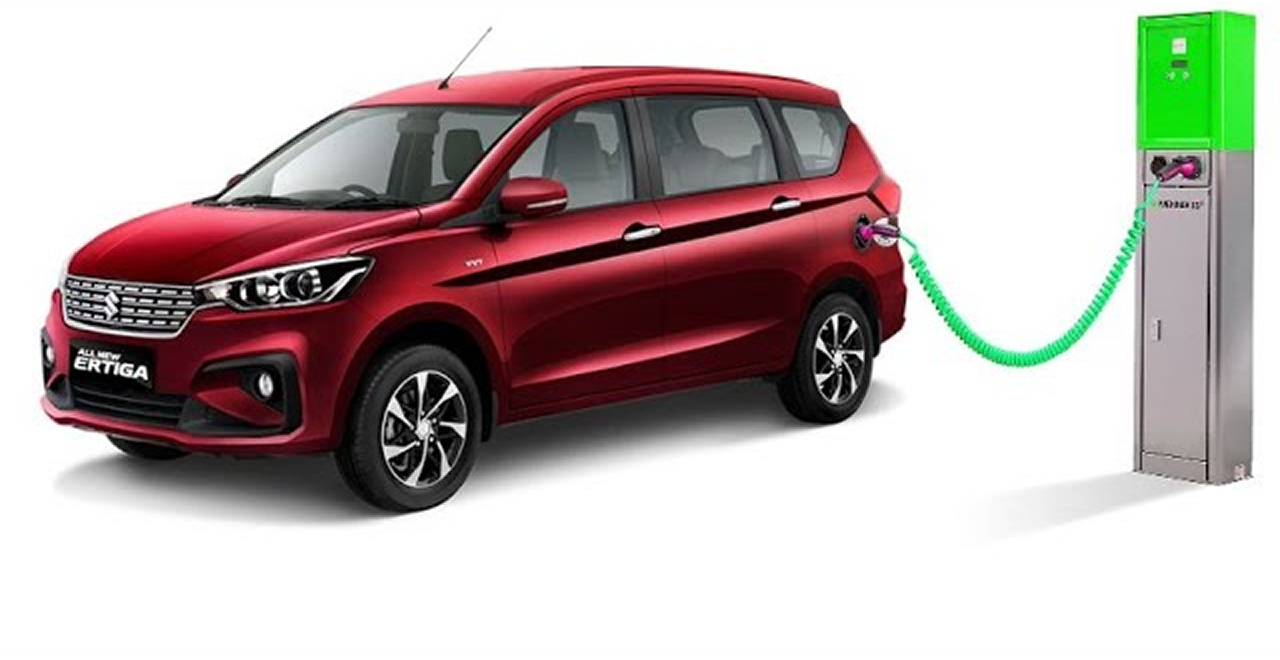
Maruti Suzuki is expected to enter the electric MPV space in India around 2026, expanding its EV portfolio beyond SUVs. This upcoming electric MPV will mark Maruti’s first-ever electric people-mover, targeting family buyers and fleet operators looking for a spacious, zero-emission alternative.
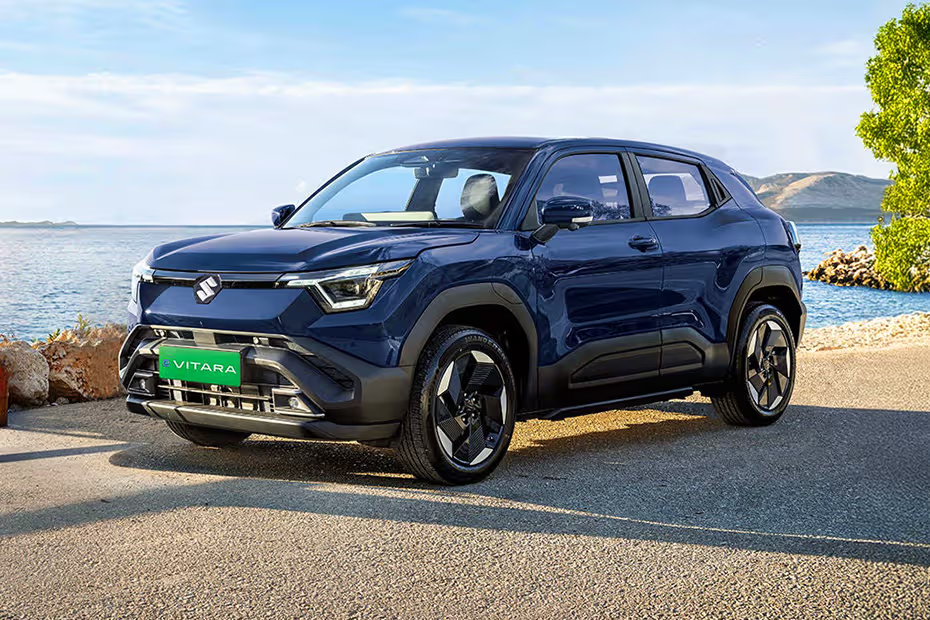
While Maruti Suzuki has already made its EV debut with the e Vitara, its electric focus so far has remained limited to a single compact SUV segment, making the MPV a significant strategic expansion.
Maruti’s EV Strategy: Where the Electric MPV Fits
Maruti Suzuki’s EV roadmap has so far included:
- e Vitara (compact electric SUV – first EV)
- Future EVs planned on Heartect-EV and Toyota-shared platforms
The upcoming electric MPV represents:
- Maruti’s first electric 3-row / people-mover
- Entry into a new body style, not a continuation of compact/midsize EVs
- A direct response to growing demand for electric family cars
This makes the MPV a diversification move, not an extension of an existing EV-heavy lineup.
Platform & Powertrain Expectations
The Maruti electric MPV is expected to:
- Be based on a modified Heartect-EV platform or a Toyota-shared electric architecture
- Use a front-mounted electric motor
- Prioritise efficiency, range, and affordability over outright performance
Maruti is likely to tune the vehicle for:
- Urban + highway family use
- High passenger load efficiency
- Competitive running costs
Battery & Range Expectations (Segment-Correct)
Based on competitors and Maruti’s cost positioning, expected battery options include:
- Battery capacity: 45–55 kWh
- Expected range:
- 420–480 km (claimed, MIDC)
- 350–400 km (real-world)
DC fast charging is expected, though charging speeds may be conservative to control costs.
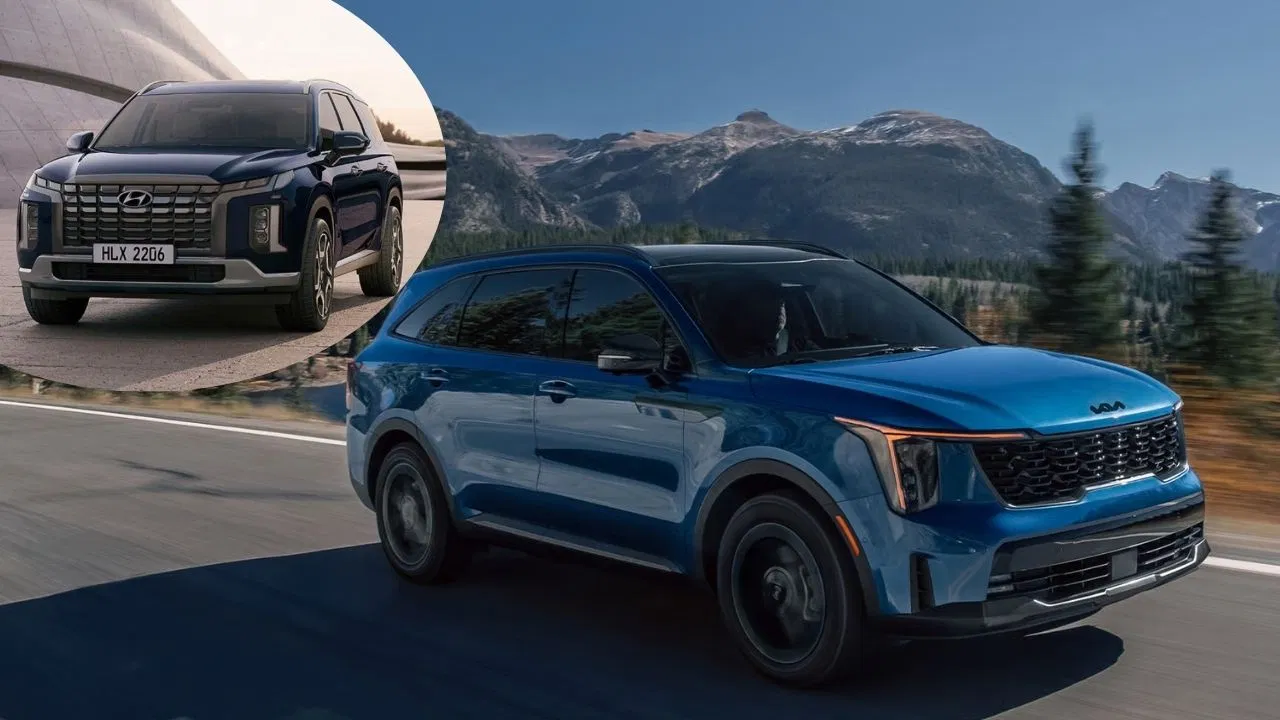
IN Comparison: Maruti Electric MPV vs Kia Carens Clavis EV
| Parameter | Maruti Electric MPV (Expected) | Kia Carens Clavis EV (Launched July 2025) |
| Body Type | Electric MPV | Electric MPV |
| Launch Timeline | 2026 (Expected) | July 2025 |
| Seating | 6 / 7 seater | 6 / 7 seater |
| Battery | 45–55 kWh (Expected) | ~51 kWh |
| Range (Claimed) | 450 km | 490 km |
| Drivetrain | FWD | FWD |
| Focus | Affordability & efficiency | Premium features & tech |
| Price Band | ₹15–20 lakh (Expected) | ₹20–25 lakh (Ex-showroom) |
This makes the Maruti EV MPV a more value-driven alternative, while Kia continues to position the Clavis EV as a premium electric family car.
Design Expectations
Maruti’s electric MPV is expected to feature:
- Clean, aerodynamic MPV silhouette
- Closed EV grille design
- Sliding or wide-opening rear doors
- Emphasis on interior space and practicality
Expected Features
- Large touchscreen infotainment
- Digital instrument cluster
- Connected car tech
- Panoramic or large glass area (possible)
- Multiple drive modes
- Advanced regenerative braking
- 6 airbags standard
- Electronic stability control
ADAS may be limited or optional to keep pricing competitive.
Expected Specifications (Provisional)
| Specification | Details |
| Powertrain | Single-motor Electric |
| Drive Type | Front-Wheel Drive |
| Battery | 45–55 kWh |
| Range | 450 km (claimed) |
| Charging | AC + DC Fast Charging |
| Seating | 6 / 7 |
| Safety | 6 airbags, ESC, ISOFIX |
| Platform | Heartect-EV / Toyota-shared EV |
| Expected Price | ₹15–20 lakh (Ex-showroom) |
Market Impact & Why It Matters
An affordable electric MPV from a mass-market brand could have strong appeal in India, especially among joint families looking for a spacious and economical mobility solution. Such a product would also carry significant potential for fleet operators and commercial EV use, where low running costs are a key consideration. By entering this space, the model would directly put pricing pressure on rivals like the Kia Carens Clavis EV. If priced aggressively, Maruti could play a crucial role in democratising electric MPVs in the Indian market and accelerating wider EV adoption.